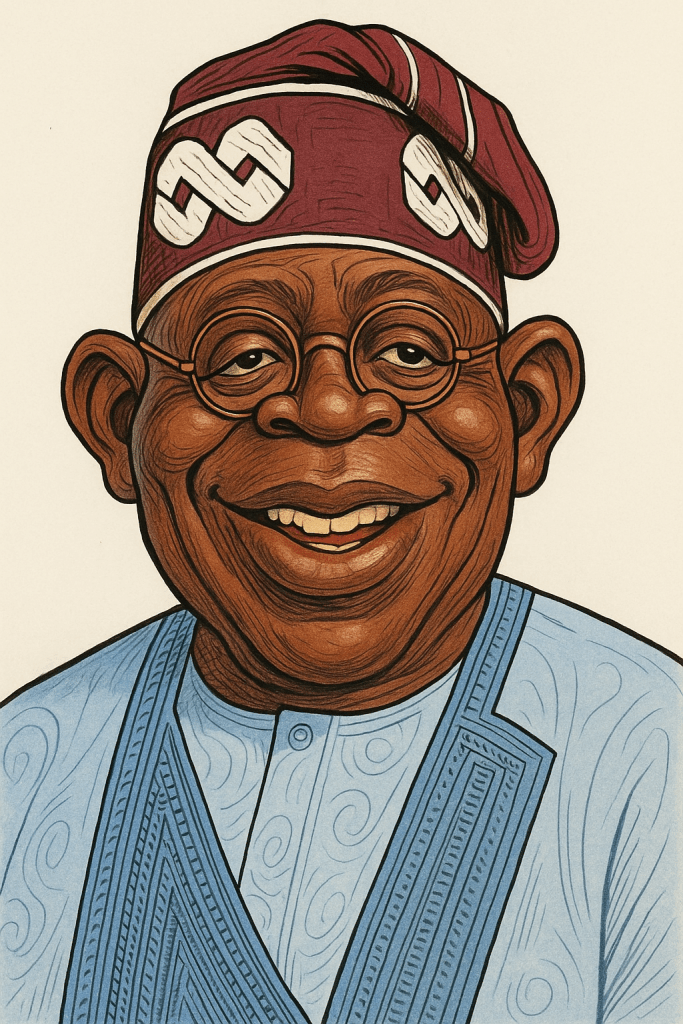
Nigeria’s 2023 presidential election was the most expensive in the country’s history, with Bola Tinubu’s campaign costing an estimated one hundred million dollars or more. Upon taking office, the administration allegedly set about recovering that investment through systematic looting of public funds — with the Auditor-General documenting tens of billions of naira vanishing from multiple ministries, a thirteen billion dollar highway contract awarded to political allies without competitive bidding, and hundreds of billions allegedly distributed to governors and legislators to secure party loyalty.
These were not isolated acts of corruption; they formed a deliberate architecture of extraction. The machinery of accountability was deliberately disabled to sustain this looting. The Department of State Services was weaponized against dissent, the anti-corruption agency selectively prosecuted opposition figures while shielding administration officials, and the presidency offered explanations for missing billions that produced no credible audits or recoveries.
Meanwhile, the president’s son accumulated a London mansion, shared offshore company interests with major government contractors, and reportedly used government aircraft for personal leisure — all while millions of ordinary Nigerians struggled with inflation, poverty, and a minimum wage that barely covers basic needs. The reckoning, however, is quietly being assembled. International investigative journalists, the Auditor-General’s public reports, court filings, and foreign government human rights assessments are collectively building a documentary record that could eventually trigger asset freezes, extraditions, and prosecutions — much as happened to Angola’s Isabel dos Santos. The 2027 election represents a critical inflection point: a chance for Nigerians to demand accountability and for the next government to prosecute a documented case of what the author calls not merely corruption, but generational theft from a nation’s future.

