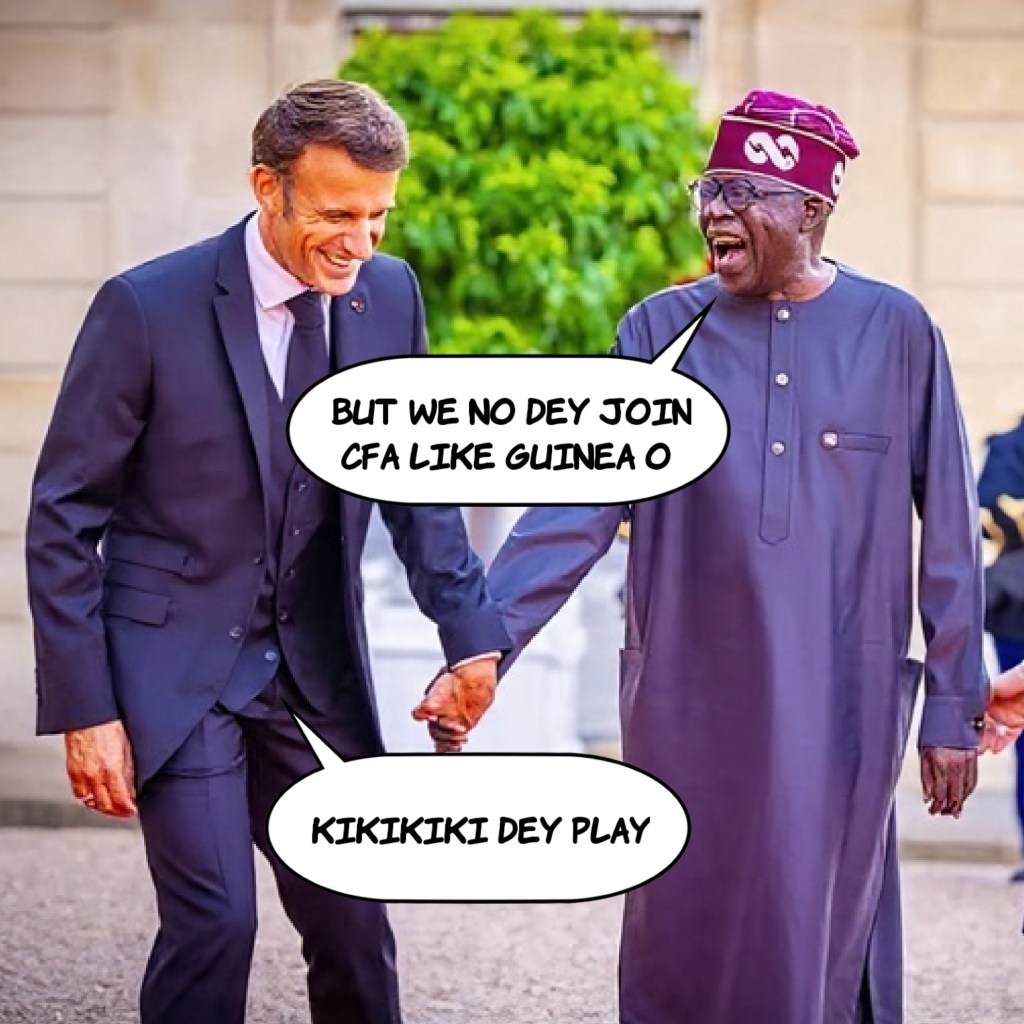
Nigeria just signed a tax data MoU with France — and it’s stirring serious debate.
Here’s what happened:
Nigeria’s tax authority, FIRS, agreed to work with France’s tax agency to modernise Nigeria’s tax system — using digital tools, AI audits, and better data analysis to track revenue and multinational companies.
Supporters say it’s about capacity building, efficiency, and catching tax evasion in a digital economy.But critics are alarmed.
The fear? Sovereignty.
They worry that even if the data shared is “aggregated and anonymised,” it could still expose Nigeria’s economic patterns — giving a foreign government insight into the country’s fiscal engine.
Some describe it as handing France a dashboard view of Nigeria’s economy.
FIRS has pushed back hard.
They insist no raw taxpayer data is being shared, no systems are being handed over, and Nigerian data protection laws still apply. According to them, France is only advising — not accessing databases.
So this boils down to a bigger question Africa keeps facing:
Is international technical cooperation a smart shortcut to development —or a quiet way of giving up control over critical national data?
That’s the real debate behind this MoU.
 An Investment in Education