The Resurrection Unfolded: Why Easter Matters and What Really Happened
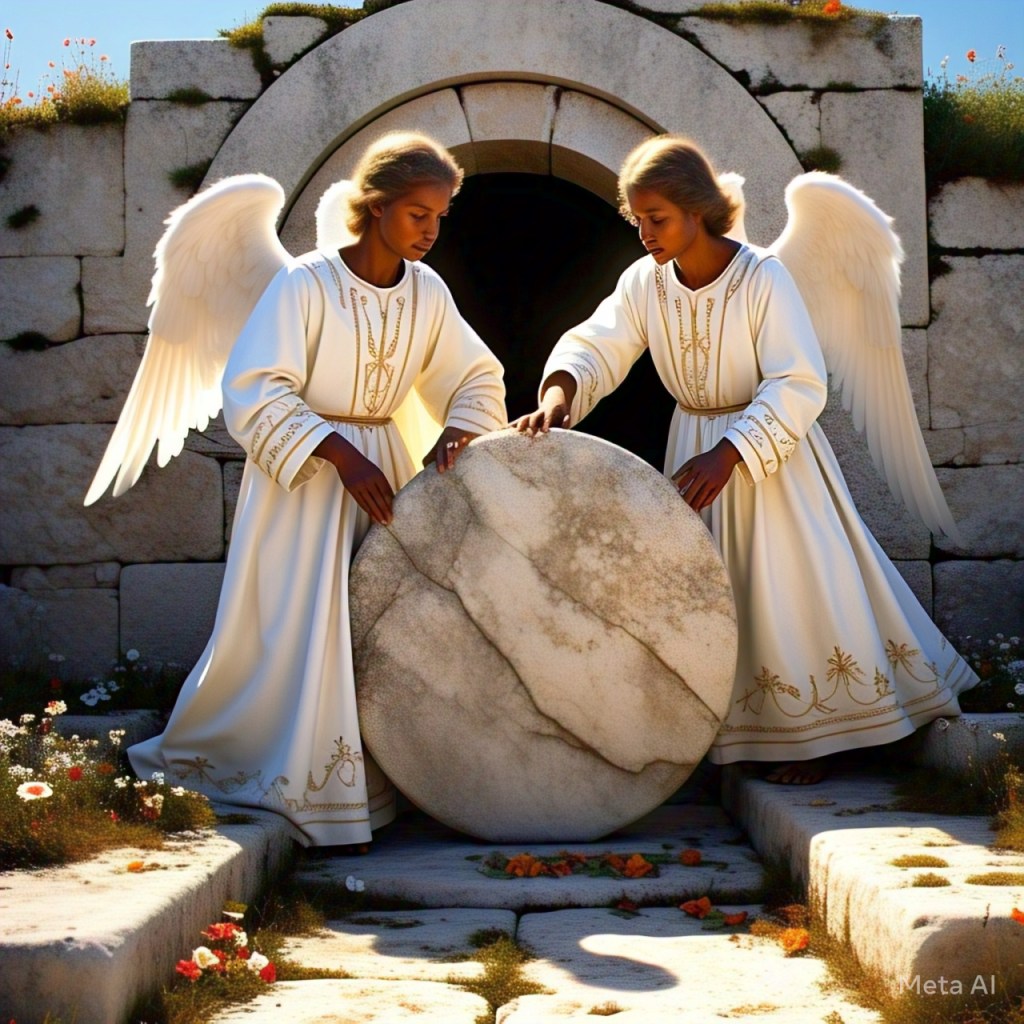
Introduction
Easter is more than a cultural holiday with eggs and bunnies. It marks the foundational event of Christianity: the resurrection of Jesus of Nazareth. For many, it’s a story of hope, redemption, and spiritual transformation. But what does it really mean? Why did it have to happen the way it did? And can we trust the accounts?
Why People Believe in Easter
The belief in Easter rests on the claim that Jesus physically rose from the dead. Early Christians didn’t just preach love and peace; they declared a historical event: that Jesus, crucified under Pontius Pilate, was seen alive days later. These appearances transformed frightened disciples into fearless messengers.
The Significance of the Resurrection
- Theological Power: The resurrection vindicates Jesus as the Son of God (Romans 1:4).
- Victory over Death: It shows that death isn’t the end.
- New Creation: It inaugurates a new world where God’s kingdom breaks into human history.
- Hope for Believers: What happened to Jesus will happen to those who follow Him.
Why Did Jesus Need to Physically Rise?
The physical resurrection affirms:
- Bodily redemption: God cares not only for souls but for physical bodies.
- Fulfillment of prophecy: Psalms and Isaiah spoke of a suffering servant who would not see decay.
- Victory over death: A spiritual resurrection would still leave death unconquered.
How Long Was Jesus Around After the Resurrection?
Jesus appeared to His disciples over 40 days (Acts 1:3), teaching and proving He was alive. He ate meals, allowed them to touch Him, and continued to open the Scriptures to them. Then He ascended into heaven, described in Acts 1, promising to return.
Who Was Mary Magdalene?
- A woman healed of seven demons by Jesus (Luke 8:2).
- A financial supporter of His ministry.
- Present at the crucifixion and burial.
- The first witness of the resurrection (John 20).
- Referred to as the “apostle to the apostles.”
Historically misunderstood as a prostitute (due to a sermon by Pope Gregory I in 591 AD), she is now recognized as a key disciple and a symbol of redemptive transformation.
The Great Commission
Jesus’ final instruction (Matthew 28:18–20):
“Go and make disciples of all nations, baptizing them… and teaching them to obey everything I have commanded.”
It marked the global mission of Christianity and promised His enduring presence.
What Is the Gospel?
The word “gospel” means good news. The core message:
- Jesus died for our sins.
- He was buried.
- He rose again.
- He appeared to many witnesses.
(See 1 Corinthians 15:3–5)
It is both a declaration and an invitation: Jesus is Lord, and His resurrection changes everything.
Why Is Thomas Called “Doubting Thomas”?
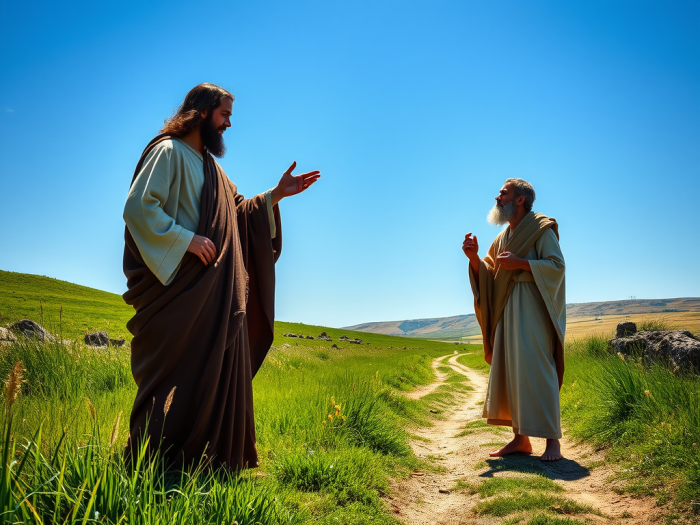
In John 20:24–29, Thomas refused to believe until he saw and touched Jesus’ wounds. When Jesus appeared to him, Thomas exclaimed, “My Lord and my God!” His doubt became the basis for one of the strongest affirmations of Jesus’ divinity.
Jesus’ response:
“Blessed are those who have not seen and yet have believed.”
Peter vs. Paul: Two Pillars of the Early Church
- Peter: The bold disciple turned leader in Jerusalem; crucified upside down in Rome.
- Paul: Former persecutor turned missionary to the Gentiles; wrote much of the New Testament; beheaded in Rome.
Though they clashed (Galatians 2), both spread the gospel far and wide.
How the Apostles Died
Most were martyred:
- Peter: Crucified upside down.
- Paul: Beheaded.
- Thomas: Speared in India.
- Andrew: Crucified on an X-shaped cross.
They died not for myths, but for a Person they believed had conquered death.
How Early Christians Lived and Worshipped
- Met in homes (Acts 2).
- Prayed, broke bread, studied, and shared everything.
- Practiced radical love and generosity.
- Faced persecution but grew rapidly.
They didn’t build churches; they were the Church.
The Second Coming: Easter’s Future Promise
Acts 1:11: Jesus will return as He ascended.
- Evil will be judged.
- Creation will be renewed.
- God will dwell with humanity forever (Revelation 21).
Reactions from Jewish and Roman Leaders
- Jewish leaders: Feared unrest; spread the story that disciples stole the body (Matthew 28).
- Roman leaders: Saw Christians as political threats; punished them as rebels.
Despite this, Christianity spread like wildfire.
Why Hallucination Theories Fall Short
- Hallucinations are private, but Jesus appeared to groups.
- He ate and conversed.
- Skeptics like Paul and James became believers after seeing Him.
How Did Jews Pronounce the Name “Jesus”?
In Hebrew/Aramaic, Jesus was called Yeshua (יְשׁוּע), a shortened form of Yehoshua, meaning “Yahweh saves.”
- Greek transliteration: Iēsous.
- Latin: Iesus.
- English: Jesus.
Conclusion
Easter is not just about ancient history or theology—it’s about a Person who claimed to be God, died for humanity, rose to prove it, and invites everyone into new life. From Mary Magdalene’s tears at the tomb to Thomas’ doubting hands, the story pulses with realism, redemption, and relevance.
He is risen. And that changes everything.
 An Investment in Education